1,618 words, 9 minutes read time.
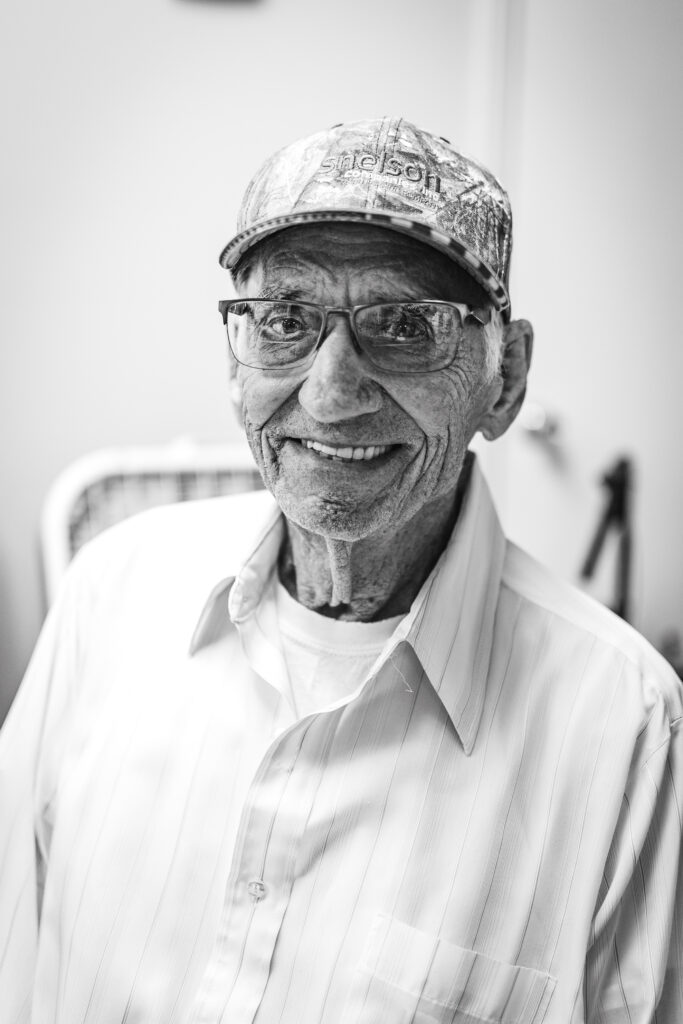
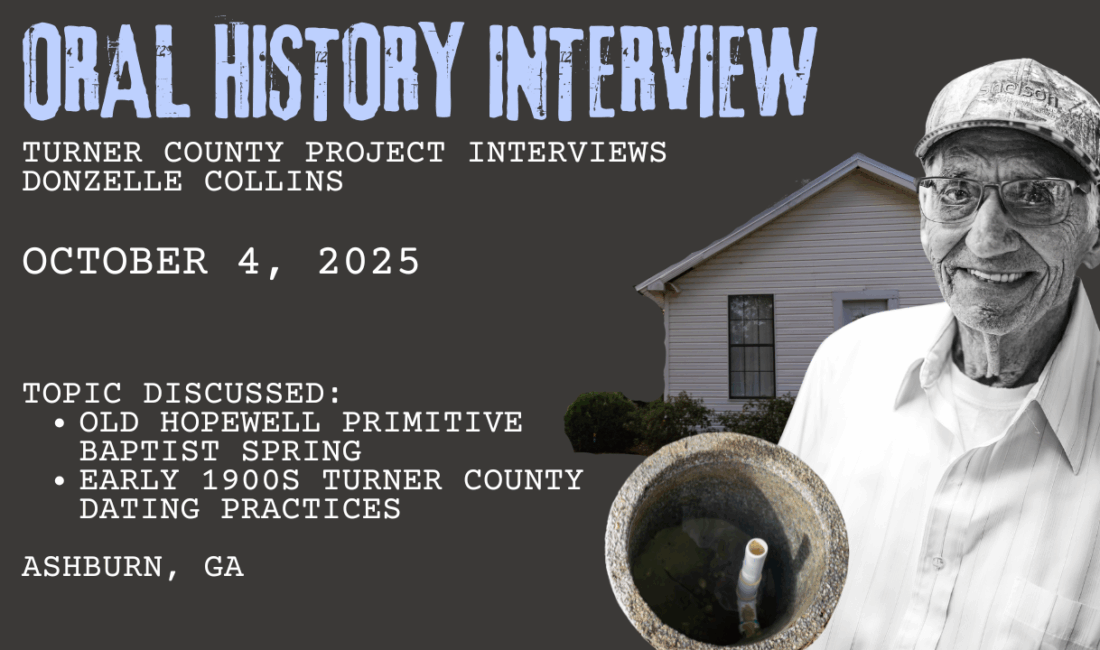
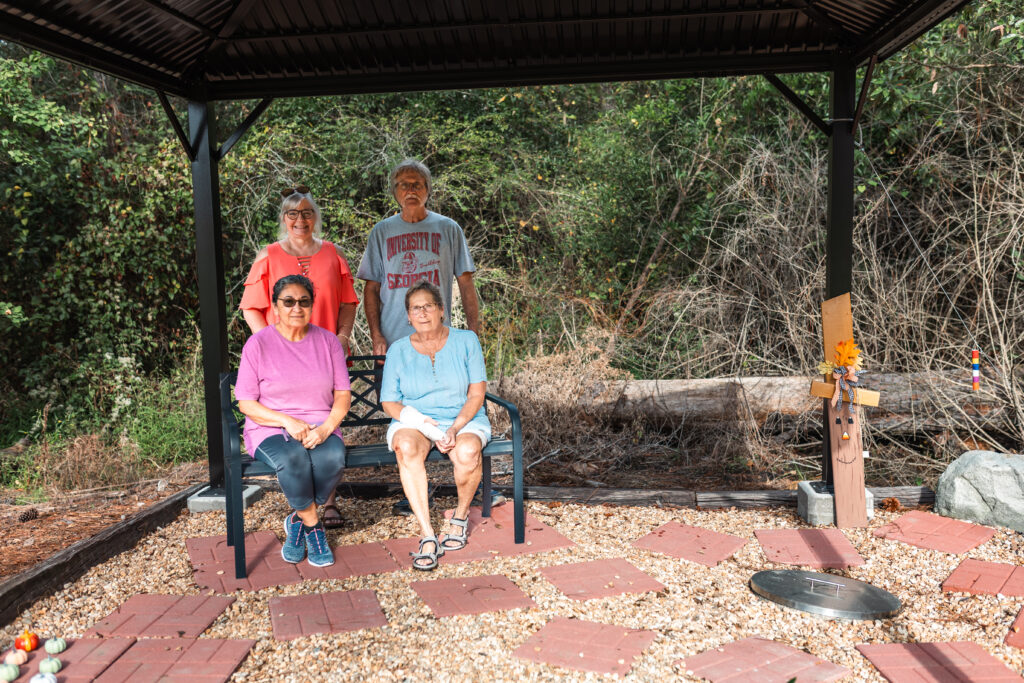
The Turner County Project spent a quiet afternoon with 94-year-old Donzelle Collins, letting his lilting voice carry us back in time to a simpler time in Turner County. Visiting for the Haman Family Reunion, he spoke with warmth and clarity about the spring at Old Hopewell Primitive Baptist Church and shared tender memories of a bygone era- telling how his parents met and fell in love in early 1900s Turner County. Read a portion of our conversation with him below.
The Hopewell Primited Baptist Church Spring
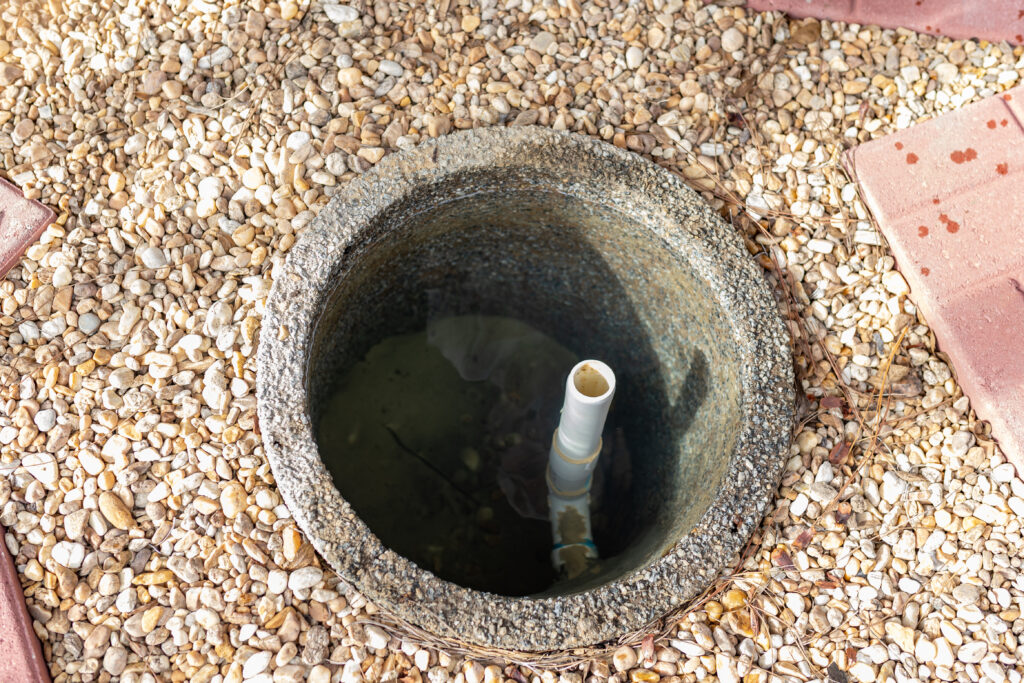
Turner County Project: Can you tell me your earliest memory of the spring?
Donzelle Collins: Some where about? Because we grew up in church here. All of us were born. You know, our mama was a member here. And from a baby on, we went to the spring, ’cause we could slip out of church.
Lisa Garrett Bonnell: So, how old were you? How old were you at that point?
Donzelle: Probably six or seven. You are going to remember the spring being down there. But we were… The church is built such that the men were sat on one side, and the ladies sat on the other side. They couldn’t sit together. You remember that?
TCP: What was the reasoning? Why couldn’t you sit next to each other?
Donzelle: Well, they were… they were… primitive Baptist.
TCP: Okay, even so, even married couples couldn’t sit next to each other?
Donzelle: They separated the men, sit on the right-hand side of the pulpit. And the women sat on the left-hand side of the pulpit… And the kids sat out in the middle of the church, facing the pulpit. And we didn’t breathe or move. And we would slip out of the church. Uh huh. But we were caught from both sides, and we could rest assured that one of the mamas and daddies would be down there to get us if we went back in about three or four minutes.
TCP: Okay, so you would slip out to sneak a drink.
Donzelle: Get a drink of water.
TCP: Did you have a cup or something?
Dozelle: No, we laid down and dipped it out.
TCP: So you laid on the ground and did it. Was there a pot there, as they talked about, or was there that cement? What was there?
Donzelle: No, there was nothing there. Just the ground. It was just, we, us kids, loved to watch it because the water was bubbling up underneath it. And we loved to get out of there and watch it, ’cause you didn’t see water bubbling up like that.
Visit the Turner County Project Store and wear your hometown pride today!

Check Yes or No: Dating in the Early 1900s in Turner County
Donzelle: Mom, met a little fella in Ashburn called Dorsey. But Grandpa wouldn’t let her date. She couldn’t speak to him, even.
Lisa Garrett Bonnell: He was like that with all his daughters, right?
Donzelle: Oh, I guess he was, yeah.
Lisa: He would have been like that with my grandmother.
Donzelle: They all had that and so…
Joannie Sellars Lorenzen: Aunt Lena was the same thing. Lena had to run away. All the girls did.
Donzelle: And so my mama was out back of the barn one day in the field, and she got looking at the post. Fence post. And she saw a crack in the fence post.
Lisa: Oh, I see where this is going.
Donzelle: And she thought, Oh, I know how I can get to my boyfriend. So she went around back of the barn, and way down the road, and met the postman. And she said, Would you take my friend my note, and give it to him? And he said, Yes, ma’am, just writing the note. And she said, But I can’t come get it to you, ’cause my daddy will see me. And she said, Come up here and let me show you. And here’s this post with this crack in it. And I put that note in the crack. And when you come by, if you see a note, pull that out, take it, and give it to my friend. And so… he picked up the note, and he gave it to my future daddy, and my daddy would write a little note and say, “Would you take this and put it back in the crack?” And so he would give the note to the postman, and he would drop it in the crack in that post, and my mama would look for that note every day.
TCP: And that’s how they dated.
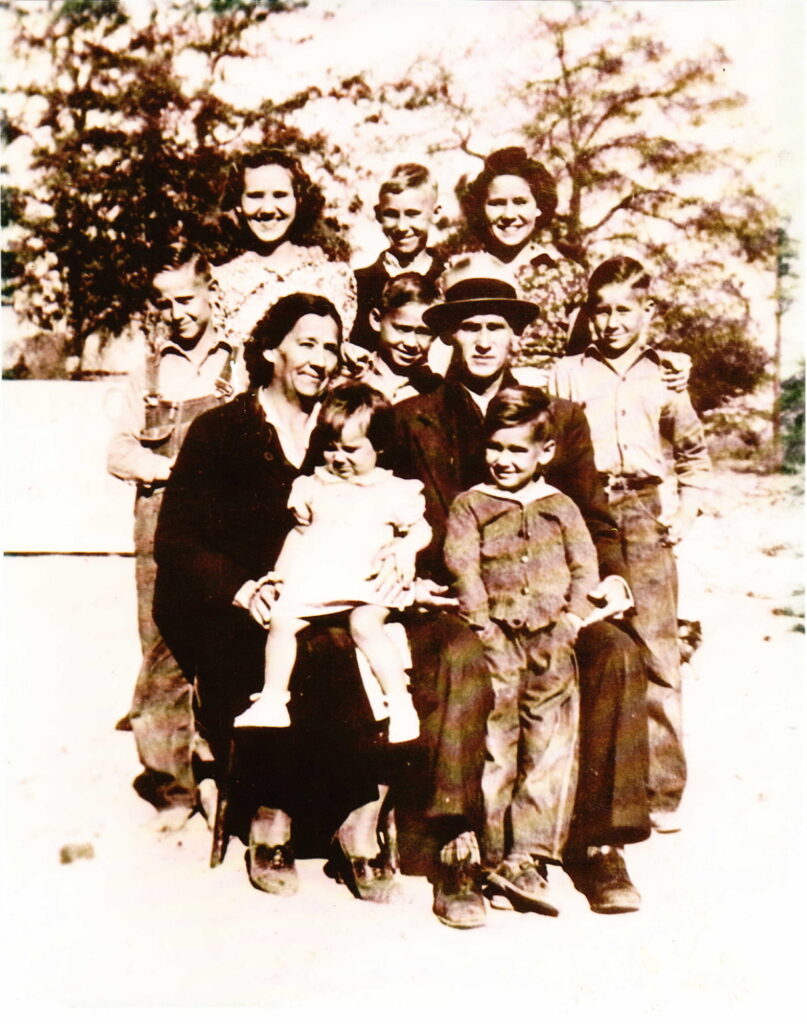
Donzelle: And that’s how they dated. Wow. And so, finally, my daddy wrote her a note and asked her if she would marry him. And she said, wrote him a note back and said, Yes, but I can’t get out of the house because my mama and daddy won’t let me get out of the house to just go get married. And she said, “Well, when I go to sleep, then I’ll go get out the window. And my two brothers are gonna help me with my suitcases.” That was Uncle Horace and Uncle Walter. They’ll help get your suitcases out of the window. And so they helped my mama out the window. And Daddy was waiting for her down in that corner, below the house, in a buggy at midnight, and the preacher was waiting at home at midnight for their wedding.
TCP: How old was she?
Donzelle: She was 17, 18… Oh, she’s still young. Maybe… She was, she was born in 1900, and they married in 1919. That’s how old she was.
Joannie: Yeah, your granddaddy was the one that had the preacher waiting on me.
TCP: No.
Joannie: You said the preacher?
TCP: That was his dad.
Donzelle: No. The man she was gonna marry, Dorsey, had the preacher. Waiting for him at midnight. And so when they got her out of the car, they met Mama, down in the buggy, and they went over to the preacher’s house, and he married them.
TCP: And they were married probably 20 years, ’cause your daddy died, right? He died in 1939.
Donzelle: Well… My daddy died in 1939.
TCP: So 20 years.
Donzelle: So they were married 20 years? But they dated by that little…
TCP: Barely dated, in my opinion. So how does she meet him?
Donzelle: Crack in the fence post.
TCP: How did she see him?
Donzelle: I didn’t know, like, he… Yeah, like he lived in Ashburn and then go to Ashburn.
Lisa: Every Saturday, right?
Donzelle: Probably. That’s when my mom and daddy went back down the years ago, they went every Saturday. The only time we ever went to town was on Saturday.
TCP: Talk about getting married after just a few, meet one meeting and then how many notes? Talk about that.
Joannie: Yeah, can you imagine? I mean, you know, they didn’t even know each other, not really.
Donzelle: Yeah, that’s the way they did, and they would see each other in town, but he wouldn’t, daddy, his… Her daddy wouldn’t let her speak to him.
TCP: Wow.
Donzelle: She couldn’t speak to no men. ‘Cause he didn’t want him to marry.
Joannie: Aunt Lena was the same way. The oldest daughter and they did the same thing. They helped her get out the window. She had to run away.
TCP: I think I would have figured after the second went right out the window, I would shut that window and do something.
Joannie: Yeah.
Donzelle: That’s the way it was with mama and of course…
Lisa (to Donald Garrett, her dad): But your mother didn’t have as much trouble… getting married. Annie Bell didn’t have all that trouble trying to get married. I don’t think she was doing any sneaking around.
Donzelle: Probably didn’t.
Lisa: He was a hired hand on that farm, right? He worked with the brothers.
Donald Garrett: Daddy… He worked on the farm, but he said he thought that, uh… Annie Bell was Walter’s wife.
Lisa: “No, that’s my sister.”
Donald: When he found out that she wasn’t that she was… She wasn’t married to nobody. Daddy just started dating her, and they got married.
Lisa: They must have had more of a blessing.
Donzelle: Wasn’t much dating going on in those days. But that’s why my mom and daddy met, and, uh… There were eight of us youngins.
TCP: Eight in 20 years. Wow.
Donzelle: In 20 years, yeah.
TCP: And he was a farmer?
Donzelle: He was he was a sharecropper. That meant that he gave half of what he made to the landowner. To the landowner, which was, uh, the sheriff of Turner County, Alex Story.
About The People of Turner County Project:
This is an oral history project that works to both preserve, document, and celebrate the people of Turner County and the history through the stories of those who have experienced it.
This project collects oral histories of people who have lived or worked in Turner County, Georgia.


Leave a Reply