833 words, 4 minute read
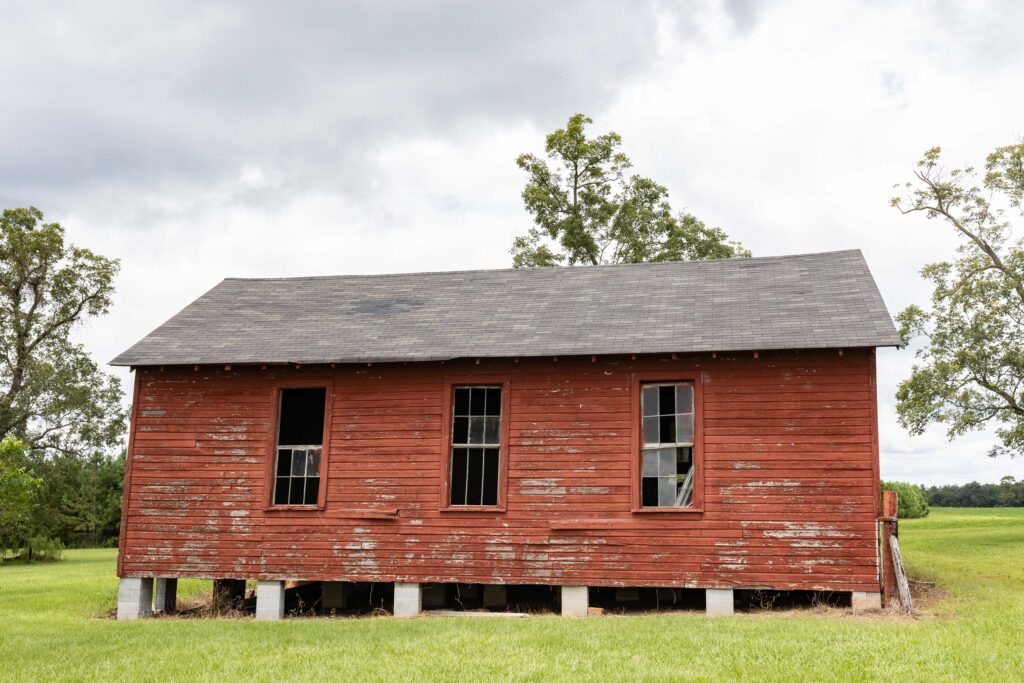
A schoolhouse legacy, a community that has all but disappeared, and the religious roots it once had. Today we are diving into Davisville, a small community of bygones past in Turner County.
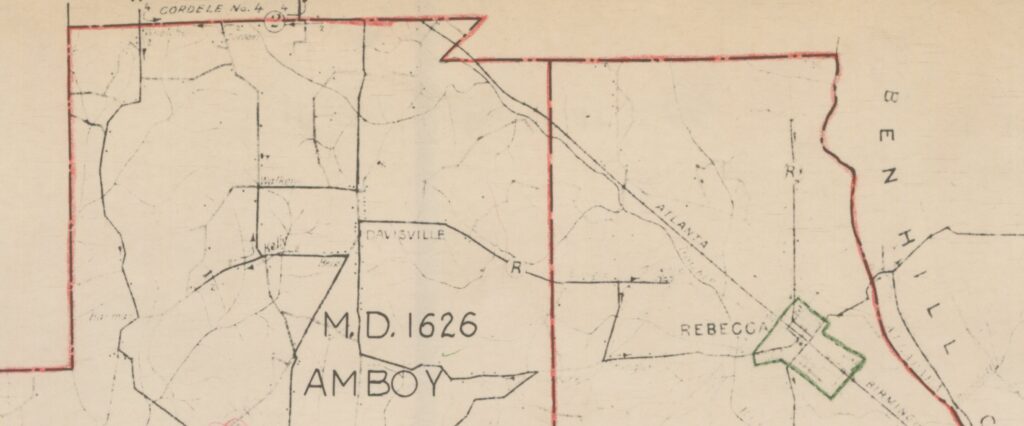
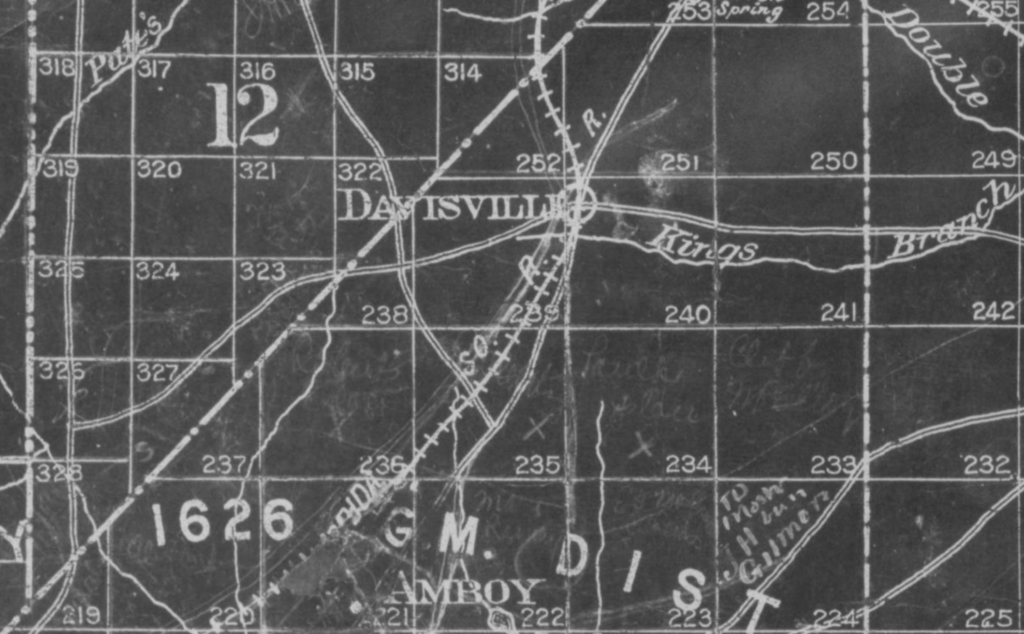
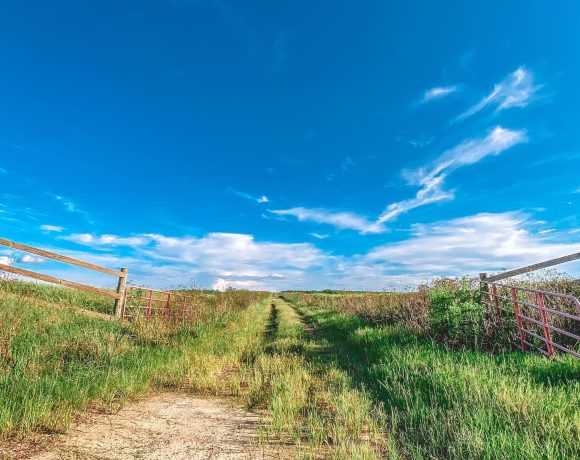
It’s easy to drive by the area once known as Davisville, named after prominent landowner Daniel Henderson Davis. It was located near Red Pebble, close to Highway 90 and Highway 159 in rural Turner County. You may not even realize that a small, thriving community once existed there. The community had a school, a church, prominent families, agricultural organizations, and eventually even a railroad stop that connected it to places across South Georgia.
But what happened to this community?
Davisville’s Early History
The history of the area is deeply woven into Turner County’s early settlement, religious life, prominent families, and transportation history. Originally Creek Indian territory, the land was ceded to the state of Georgia following the forced removal of the Creek people and other Indigenous communities. The land was surveyed and divided into lots, which were distributed to eligible Georgia residents through a land lottery, paving the way for the area’s eventual settlement and development. Fortunate drawers paid a grant fee of $18.00 per lot to take out the official land title. Unclaimed lots reverted to the state. This all occurred before 1820.
But our earlier records really come from a local historian, John Ben Pate, who was from the area. Notes preserved in History of Turner County (purchase a copy here) help paint a picture of Davisville as something much larger than a school site. It was a gathering place for the people who lived in this rural part of the county for generations.1
Life moved much like other parts of rural Turner County. Fellowshipping with neighbors on porches, delaying school starting in the fall due to farming needs, and even celebrating dinner on the grounds after closing the school for the year. There were free moving picture shows shown to the local farmers and their families.2 They even had a traveling librarian stop by on Mondays!3
Davisville’s Rise with the Railroad
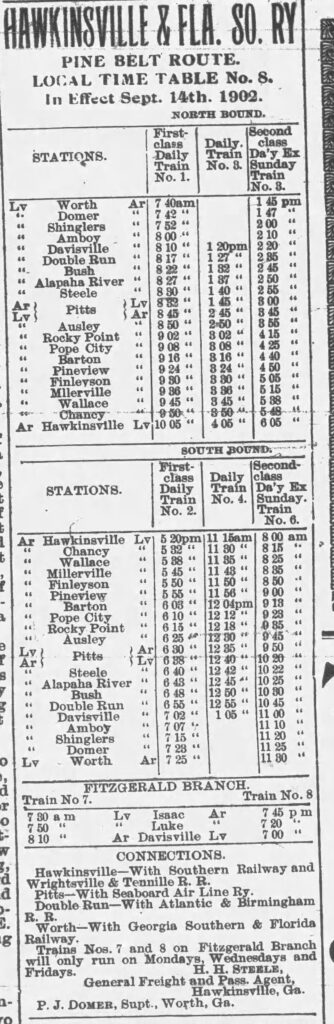
Davisville gained greater connection to the outside world when the Hawkinsville & Florida Southern Railroad came through in the late 19th century. The community sat along the railroad’s Pine Belt Route, with a branch connecting Davisville to Fitzgerald. This railroad was primarily created to haul pine trees and forestry products out of the region. They later put Pullman cars on it and started transporting passengers.
Despite these connections, financial trouble eventually caught up with the line. The northern portion, including Davisville, was abandoned in 1923 when the branch line to Fitzgerald was discontinued. The decline of the community of Davisville can probably be attributed to this closure, since the railroad linked Davisville to regional markets. You can also assume that the advent of the automobile made travel even more accessible and led to the decline of smaller communities.
Davisville persisted for several years, but the community started dwindling. Especially when the schoolhouse, the heart of the community, was consolidated with the City of Rebecca School.
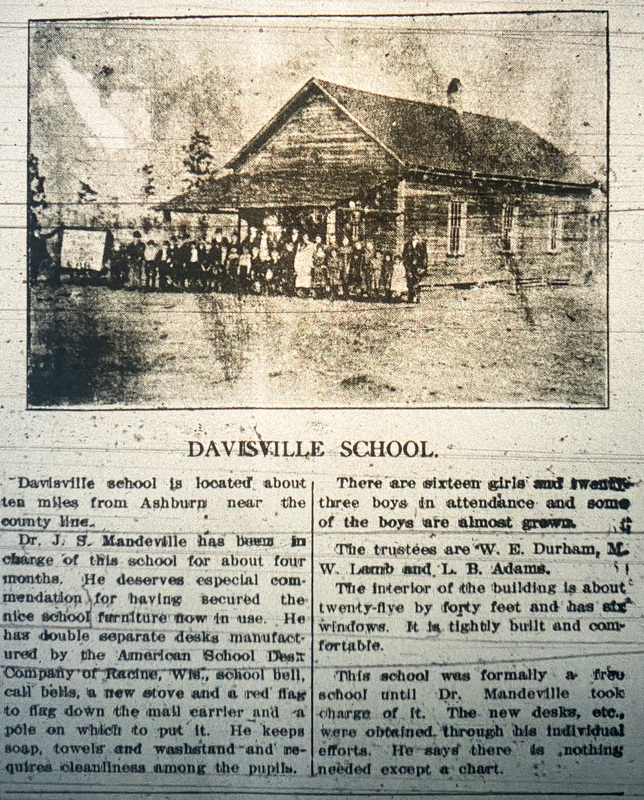
More than a School
In rural communities, the schoolhouse was often much more than a place for children to learn. It was where neighbors gathered, worshiped, socialized, and conducted community business. Davisville appears to have been no exception.
Even after the school was established, it often held sings within as well as Sunday school on weekends. The repeated use of the site for church organization and worship reinforces its importance as a gathering place for the surrounding community.4 The Davisville School closed in 1929, when it consolidated with the schools in Amboy and Rebecca into a new brick school in Rebecca. The Rebecca school later burned.5
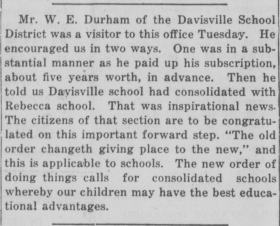
By then, Davisville was already changing. The railroad was gone, but community sings and agricultural clubs continued to bring residents together at the schoolhouse until the records run dry.6 What really happened is lost to memory.
Present Day Davisville Legacy
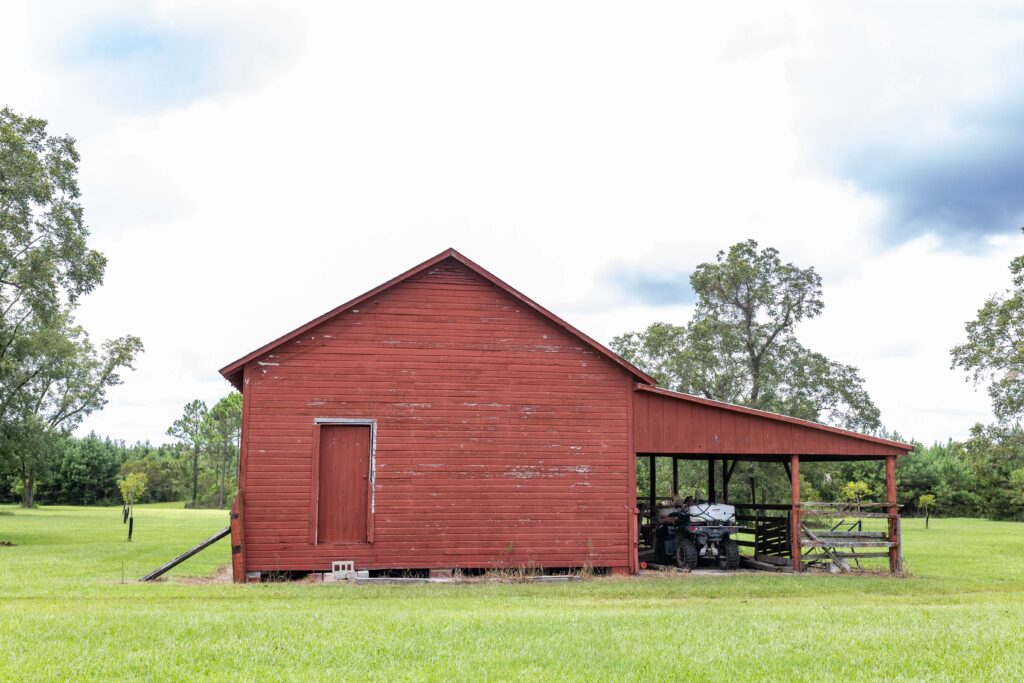
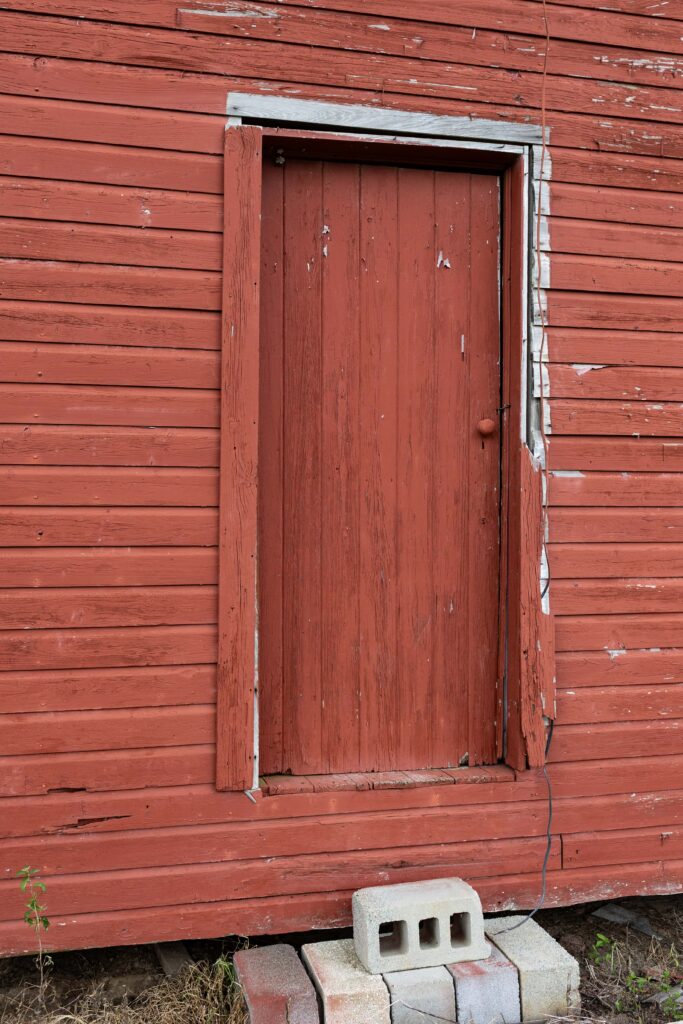
Today, Davisville as a community has largely disappeared. The school building is no longer at its original location and now sits on private property along Reid Road after being moved there in 1975 by Louis Bobo. Neither the paint nor the roof is original to the building.
Still, the old schoolhouse remains a tangible reminder of what once existed here: a rural community built around families, faith, education, and neighbors gathering together.
You can drive through Davisville today and see no visible evidence of the community that once stood there.
But the school from the community still exists, even though in a new location, to remind of the lasting legacy of Davisville.
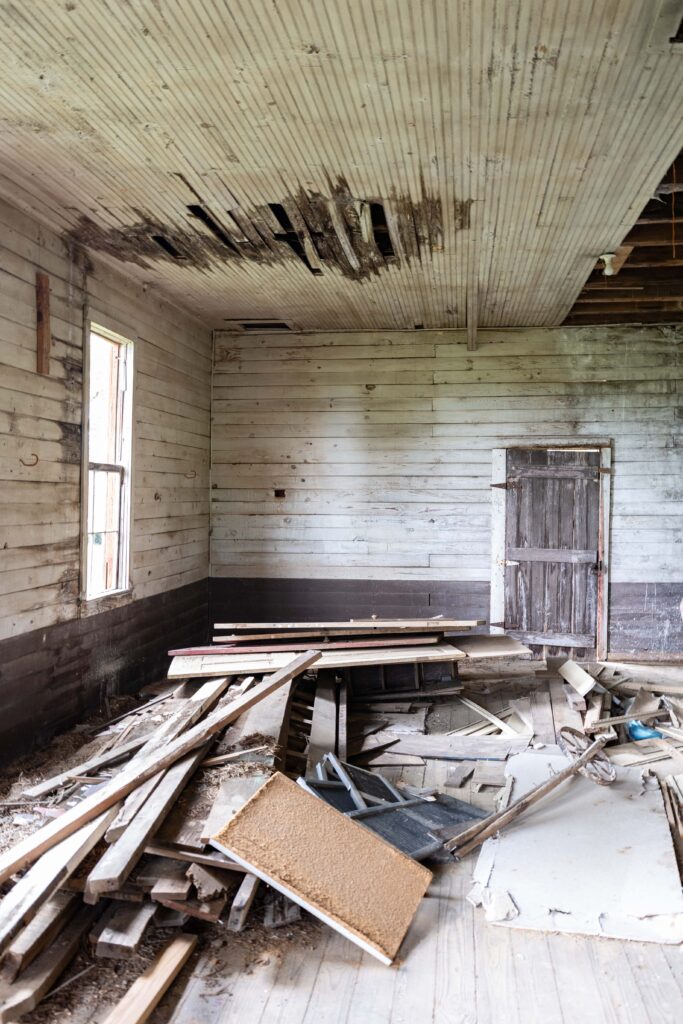
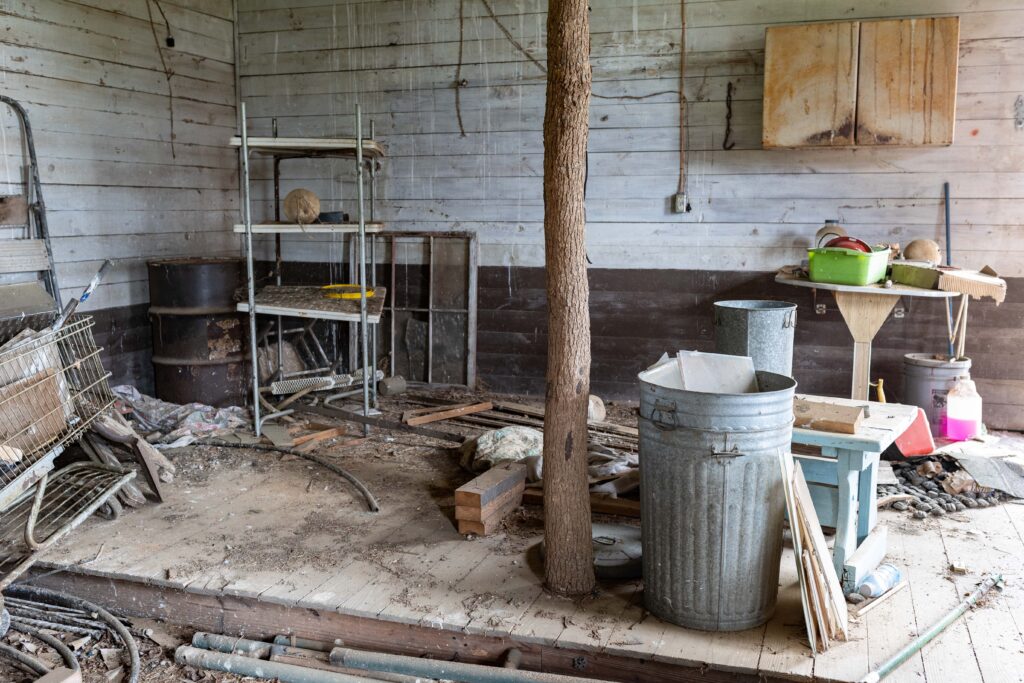
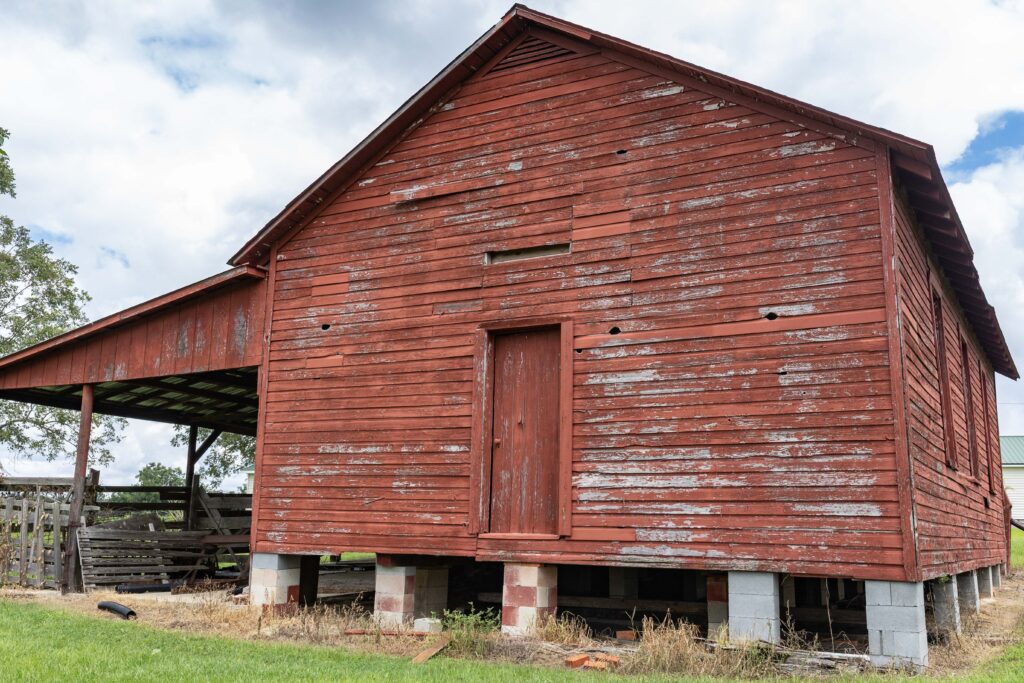
Visit the Turner County Project Store and wear your hometown pride today!
Citations:
- John Ben Pate and Margaret H. Cannon, History of Turner County (Spartanburg, SC: The Reprint Company, Publishers, 2014), 49. ↩︎
- “Free Moving Picture Shows for Farmers of Turner County,” The Wiregrass Farmer and Stockman, April 28, 1916, 6 ↩︎
- “Traveling Librarian,” The Wiregrass Farmer and Stockman, July 13, 1939, 3. ↩︎
- Pate, 58. ↩︎
- “A Town Named Grover” by Shirley Crawford within the Turner County Diamond Jubilee Booklet (October 3-11, 1980), https://turnercountyproject.com/archive/files/original/76185f74654fdc103b793e5fa763d2ff.pdf ↩︎
- “Agricultural Clubs Were Organized,” The Wiregrass Farmer and Stockman, February 22, 1917, 1. ↩︎
Leave a Reply